

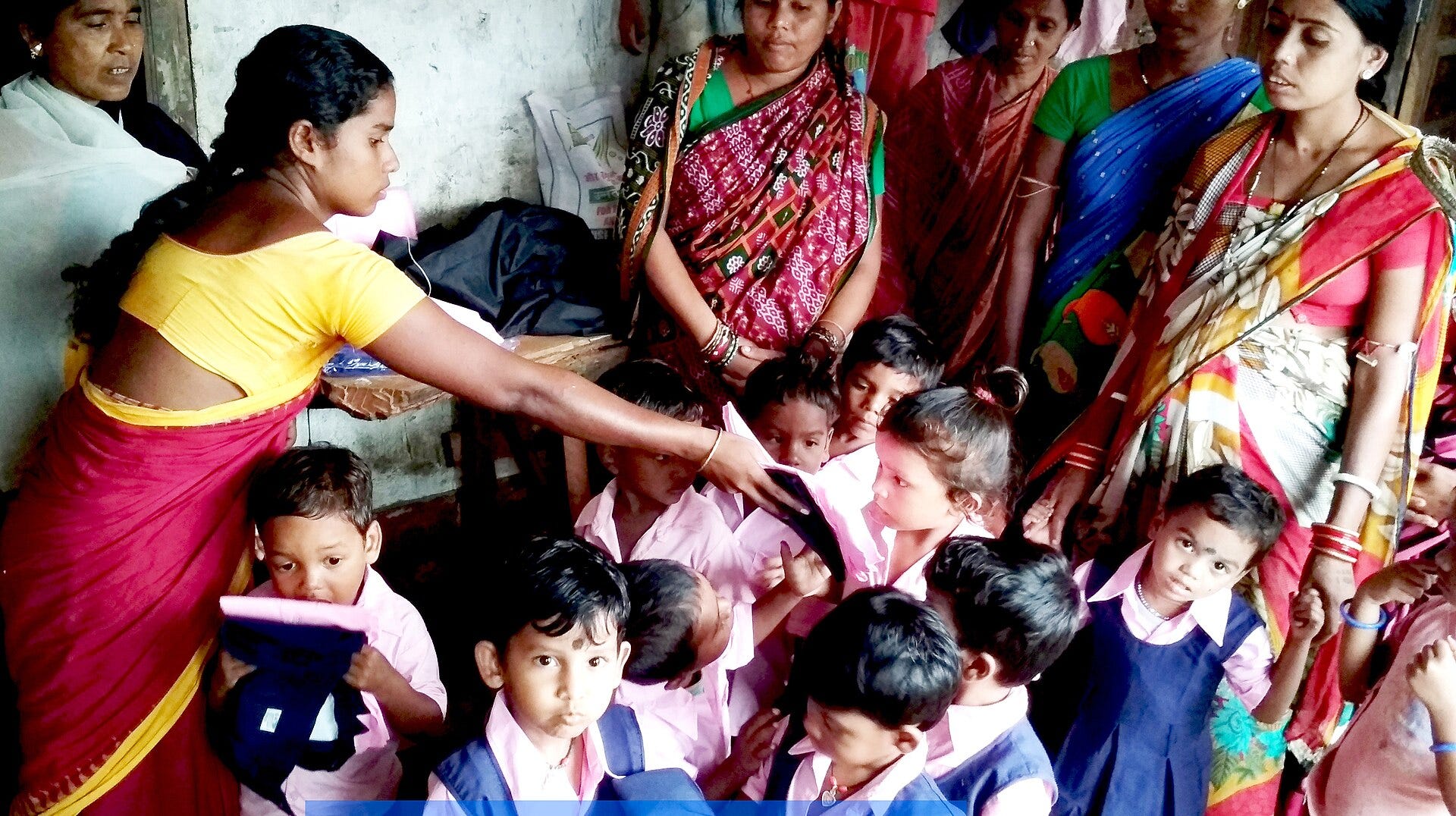
It is no secret that southern states lead in decentralised healthcare. Tamil Nadu’s model of governance has been celebrated for its health system with 90.4% full immunisation coverage, and maternal mortality 60% lower than national average. But on-ground, the root of this data is credited to ASHA (Accredited Social Health Activists) workers, Anganwadi Workers (AWWs), Auxiliary Nurse Midwives (ANMs) and Voluntary Health Nurses. These cadres of women are the backbone of care.
However, they also tell us about reproductive health, sexual health, and awareness among women in the state. Across six districts, Chengalpattu, Dharmapuri, Kancheepuram, Perambalur, Theni, and Thoothukkudi, women, frontline workers, and health officials told RUWSEC that stigma, lack of awareness, and cases of spousal control over women’s reproductive decisions were some reasons for this.
While India codified the right to abortion care under certain conditions through the 1971 Medical
Termination of Pregnancy Act (MTPA), and included medication abortion in 2003, this fact often remains outside the public sphere. Access was extended to unmarried women in 2022. However, Misinformation about physical symptoms or the safety of abortion medication was widespread across six states in India, found a study published in BMJ Global Health.
From a child’s birth to health crisis and a death in the family, an individual’s point of contact for healthcare includes these cadres of women. Despite challenges of lack of regularisation, and low pay, these frontline workers attempt to be a bridge to care, especially for marginalised communities. In this context, these workers tackle misinformation, tricky conversations around stigma and sex, and ensure access to abortion.
Within the public health system, stigma prevails as well. This May 28, International Day of Action for Women’s Health, we look at stories shared by an Anganwadi worker in northern Tamil Nadu. In her words, she tells us about women she has handheld and supported, despite and through the healthcare system.
Confidentiality and access are key: *Shalini, Anganwadi worker
I have been working as an Anganwadi Worker for the past 10 years in Chengalpattu district. During this time, I have met many women who silently carry emotional, financial, and family pressures related to pregnancy and reproductive health. One case that stayed with me was that of a woman named Mullai, who approached me around two years ago.
I’ve known Mullai’s family for seven years. At the anganwadi centre, I have nurtured and carefully cared for her three children, providing nutritious food, ensuring they were healthy and vaccinated.
As Mullai dropped off and picked up her children up at the centre daily, I noticed she was pregnant again within six months of her previous delivery. This third pregnancy had been tricky . During my routine monthly checkup at Mullai’s home, I kept an eye out and she approached me about the pregnancy. She shared that she was worried about how to disclose the news to her family members. I asked her why she didn’t use any contraceptive methods, but like most families, hers had a lack of awareness of contraception.
During our conversations, Mullai confided that her husband had not been ready to use contraceptive methods, and she had hoped that somehow, fertilisation had not occurred. Through the years in the centre, I knew they were already struggling financially, unable to juggle household expenses, bills, her children’s education, and daily responsibilities. She felt that bringing another child into the family at that stage would add to their existing responsibilities. I assured her I would keep this confidential, as she harbored doubts and fear. Eventually, she told her mother-in-law, who was supportive and suggested she undergo an abortion.
Mullai and I had several conversations, where I explained options, and eventually, advised she she undergo a tubectomy. I guided her on specific healthcare services she would need to access. After helping her understand the available options, I took her to the Primary Health Centre, which referred her to Chengalpattu Government Hospital. There, she had a medical consultation, tests, Medical Methods of Abortion pills, and safe abortion care. She was administered the Antara injection (a hormonal contraceptive injection given once every three months) for one and half years.
My priority was to keep the environment around her confidential and respectful. Confidentiality and service navigation are important, whenever a woman seeks abortion. This is an important moment in a woman’s life, so we must guide them through it. Support is crucial especially when Mullai disclosed her pregnancy to a family member.
Through this period, I stayed in touch with her and often reassured her about the process. I find that many women not only need medical support, but also someone who they can talk to during difficult moments like these, especially when they cannot speak to their family. After the procedure, Mullai told me she felt relieved. She then opted for a tubectomy process after that, and whenever I meet her, she reports she is elated.
As a frontline worker there is a balance to strike between service delivery, confidentiality, and emotional support. Mullai’s example shows how healthcare is not only biological but requires a social understanding of the patient’s needs and point of view. In Mullai’s case and many others, the lack of awareness and misconceptions about contraception play a large part. Again, support is key, I would say.
*Names changed to protect identity, translated from Tamil